

Monthly Archives: August 2025
-
August 30, 2025
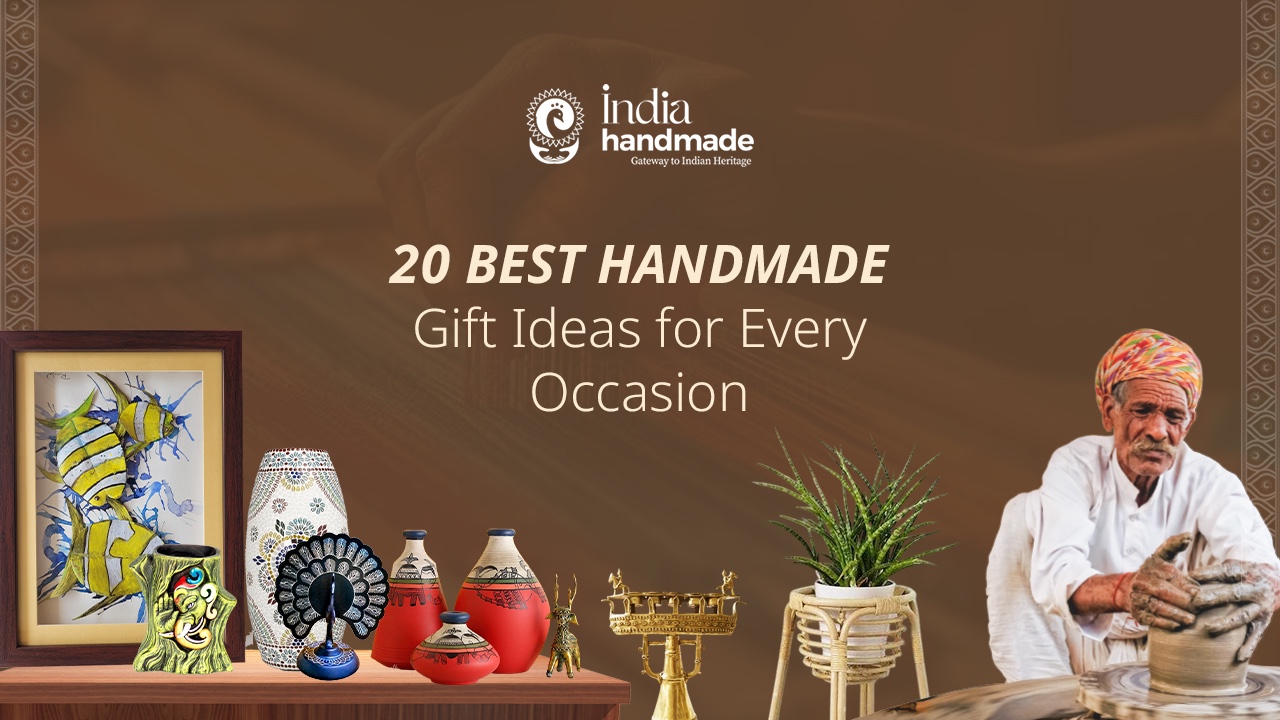
Teacher’s Day is more than just a day on the calendar. It’s a chance to thank those who shape lives, share their knowledge and lead with patience. Teachers encourage curiosity, build confidence and inspire future generations. A heartfelt gift on this occasion is a small way to show how much you appreciate all the work they do.
There are many kinds of gifts, but handmade gifts are special in their own way. They have personal warmth, artistic value and emotional depth. The best part is that you don’t always have to spend a lot of money on thoughtful, handcrafted gifts.
Each piece is made by a skilled artisan and tells a story. This makes giving gifts on Teacher’s Day more meaningful and helps the creative community of weavers and artisans. Let’s explore some ideas for handmade
-
August 28, 2025
The Historical and Cultural Essence of Onam
Onam, Kerala’s most celebrated harvest festival, carries a cultural depth that transcends beyond its vibrant festivities. Celebrated during the Malayalam month of Chingam (August–September), Onam marks the legendary return of King Mahabali, a ruler remembered for his golden reign of equality, prosperity, and happiness. The festival unites people of all faiths and communities, emphasizing Kerala’s inclusiveness and the spirit of harmony. More than just a festival, Onam is a living reflection of Kerala’s history, folklore, and traditions that have been preserved for centuries.
The cultural significance of Onam can be seen in the elaborate Pookalams (floral rangolis), traditional art forms like Kathakali and Pulikali,
-
August 23, 2025
Historical Significance and Cultural Heritage
Ganesh Chaturthi, one of India’s most cherished festivals, is steeped in history, spirituality, and cultural unity. Rooted in ancient traditions, the celebration honors Lord Ganesha — the harbinger of wisdom, prosperity, and the remover of obstacles. Historical accounts trace the organized public celebration of Ganesh Chaturthi to the Maratha ruler Chhatrapati Shivaji Maharaj, who encouraged large-scale worship as a way to promote cultural pride. Later, in the late 19th century, freedom fighter Bal Gangadhar Tilak revived it as a community festival to unite people against colonial rule, transforming private household worship into grand public gatherings. The festival became not just a religious occasion, but also a rallying point for social
-
August 13, 2025
भाद्रपद मास के श्रीकृष्ण पक्ष की अष्टमी तिथि को मनाया जाने वाला श्रीकृष्ण जन्माष्टमी का पावन पर्व हिंदू धर्म के सबसे महत्वपूर्ण त्योहारों में से एक है। यह वह दिन है जब धरती पर भगवान विष्णु के आठवें अवतार श्रीकृष्ण का जन्म हुआ था। इस वर्ष 16 अगस्त 2025 को श्रीकृष्ण जन्माष्टमी का यह पवित्र दिन विशेष उत्साह और भक्ति भावना के साथ मनाया जाएगा।
श्रीकृष्ण का जन्म - एक दिव्य आगमन
मथुरा की कारागार में दिव्य जन्म
द्वापर युग में जब धरती पर अधर्म का बोलबाला था और राक्षसी प्रवृत्तियों का विस्तार हो रहा था, तब भगवान विष्णु ने श्रीकृष्ण के रूप में अवतार लिया। कंस की कारागार में देवकी और वासुदेव के घर जन्म लेने वाले इस दिव्य बालक के आगमन के साथ ही प्रकृति में अनेकों चमत्कार हुए।
जन्म के समय कारागार के सभी द्वार अपने आप खुल गए, पहरेदार गहरी नींद में सो गए और आकाश से दिव्य
-
August 13, 2025
Every year, Janmashtami arrives with the sweet taste of makhan, the soft sounds of bhajans and the aroma of sandalwood. It is the holy night when Lord Krishna, the eighth avatar of Vishnu, was born to bring wisdom, love and justice to the world. Families in India decorate their homes, fast all day and pray and celebrate the birth of Krishna at midnight. Chants and dramatic reenactments of Krishna’s leelas fill temples, while homes are filled with love, colour and happiness.
Janmashtami is not only about old traditions but also about reconnecting with faith and bringing good luck into your life. Setting up a puja corner with a handmade Krishna idol, handmade puja items and a handmade matka for the symbolic offering of makhan and mishri is one of the most beautiful ways to celebrate this
-
August 12, 2025
Every year, as August 15 gets closer, the country gets ready to celebrate the day India became free. Saffron, white and green fill the streets, children practise for parades and homes proudly hoist the national flag. Even though flags are waved and speeches are given, there is a quieter, deeper way to honour this day: by wrapping yourself in Swadeshi handloom, a fabric that holds the spirit of India’s fight for freedom.
Swadeshi handloom stands for resistance, strength and rebirth. Every piece is made by hand, every pattern has a story and every product connects you to the spirit of India. Wearing swadeshi
-
August 06, 2025
Some festivals are more than just rituals. They bring back nostalgic memories and the warmth of people you know. One such festival is Raksha Bandhan. It doesn’t need to be big to feel complete. A simple thread, carefully tied, says more than words ever could. That rakhi, which is wrapped around your wrist, holds silent promises made long ago to stay, protect and support.
For a lot of us, Raksha Bandhan brings back the fun of childhood, the teasing, the sweets we shared and the day when distance didn’t matter. It wasn’t about how the rakhi looked back then; it was about who tied it. The thread has stayed the same over time, but the meaning has started to fade into shiny, factory-made versions that have nothing to do with reality.
You can make a small but important change this
-
August 01, 2025
A Fabric Woven with Heritage and Resistance
India’s handloom sector is not just about threads, weaves, and colors—it's about stories, identity, resistance, and heritage. As we celebrate National Handloom Day on August 7 and Independence Day on August 15, it’s a moment of reflection on how deeply the handloom movement was entwined with India’s struggle for freedom. Every thread spun by hand and every piece of cloth woven on a traditional loom carried with it the power of self-reliance, cultural pride, and defiance against colonial rule.
Handloom in India is one of the oldest surviving traditions, dating back thousands of years, with references in ancient scriptures, literature, and art. Each region developed its own style, whether it was the Banarasi brocade, Chanderi silk,