

Ethnic Wear Dresses
-
April 01, 2026
Cultural Roots and Relevance of Ethnic Wear in India
India’s relationship with textiles and traditional attire dates back thousands of years. Historical references from the Indus Valley Civilization show evidence of cotton weaving and hand embroidery, signifying an early inclination toward handmade ethnic wear. Over the centuries, regional styles like Phulkari, Chikankari, Bandhani, and Kalamkari have shaped how we define Indian fashion, each echoing the identity and craftsmanship of its place of origin. Whether it was the soft muslins of Bengal favored by royalty or the elaborate zardozi worn during Mughal court ceremonies, Indian ethnic wear outfits have always been more than just clothing—they're a canvas of our living traditions.
The evolution of traditional attire
-
May 21, 2025
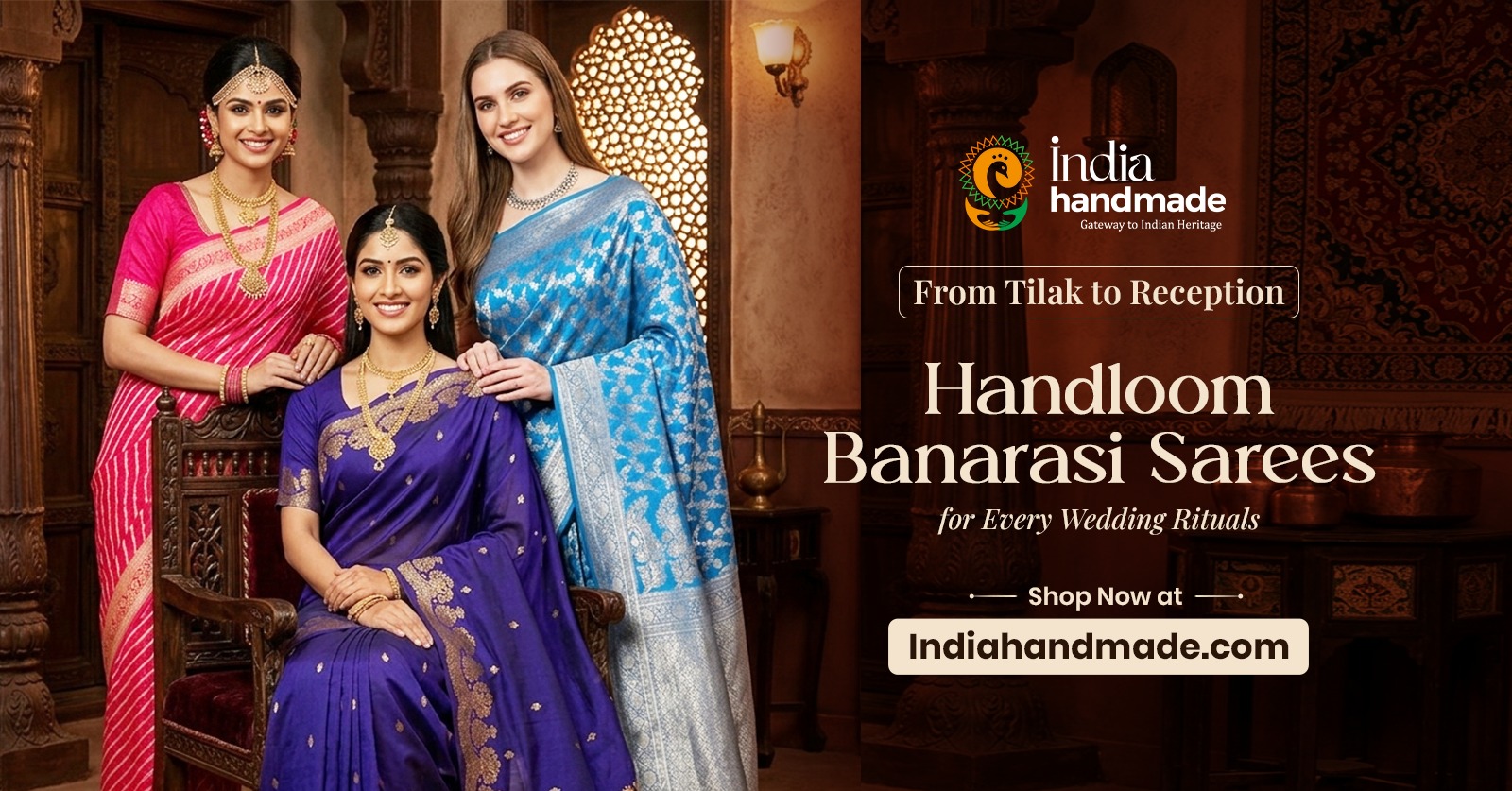
Indian summers can be beautiful but merciless. But here’s good news—you don’t need to compromise on style to stay cool. Ethnic wear dresses are no longer about heavy silks and luxurious brocades. Now, you will see light, airy and trendy pieces that won’t let the heat get to you yet make a statement. From loose kurtis to hand-block printed sarees, handmade ethnic wear dresses are changing with each new season.
This summer, let your clothes speak for themselves with sophisticated handmade ethnic wear dresses. And here’s the catch. You can buy handmade dresses directly from artisans and weavers at Indiahandmade.com, an initiative by the Ministry of Textiles to rejoice in Indian weavers’ and artisans’ skills. Now, let’s get to 15 popular
![8 Must-Have Summer Dresses for Your 2026 Capsule Wardrobe [Expert Picks]](https://img.indiahandmade.com/magefan_blog/IMG-20260518-WA0007.jpg)