

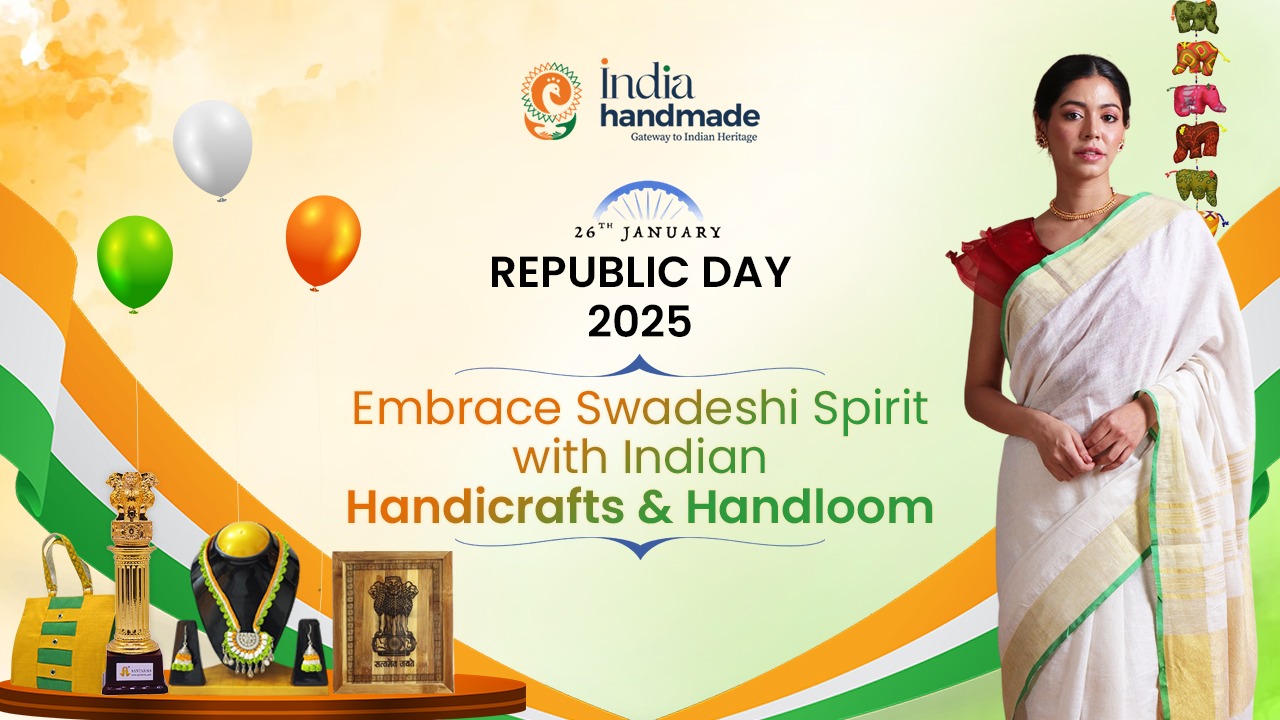
As India prepares to celebrate its 76th Republic Day on January 26, 2025, the nation stands united in honouring its rich heritage, cultural diversity, and the values enshrined in the Constitution. Republic Day is more than just a commemoration of the day India became a Republic; it’s a moment to reflect on the essence of being Indian. Beyond the grandeur of parades, flag-hoisting ceremonies, and patriotic fervour, this day offers us an opportunity to appreciate the unique identity of our nation—one deeply rooted in the artistry and craftsmanship of its people.
This Republic Day, let us rekindle the Swadeshi spirit, a movement that once powered India’s freedom struggle. By supporting Indian handloom and handicrafts products, we not only celebrate the country’s artistic heritage but also contribute to the livelihood of the countless artisans and weavers who are the backbone of this industry. From handwoven sarees to intricate handicrafts, Swadeshi products represent India’s soul. They are not just items; they are stories—of tradition, resilience, and pride.
India’s Legacy of Handloom and Handicrafts
India’s handloom and handicrafts traditions date back thousands of years. The roots of these crafts lie in the hands of artisans who passed down their skills through generations, creating masterpieces that are both functional and artistic.
The Glory of Indian Handloom
Indian handloom products are celebrated worldwide for their quality, intricate patterns, and cultural significance. Each region in India has its unique weaving style:
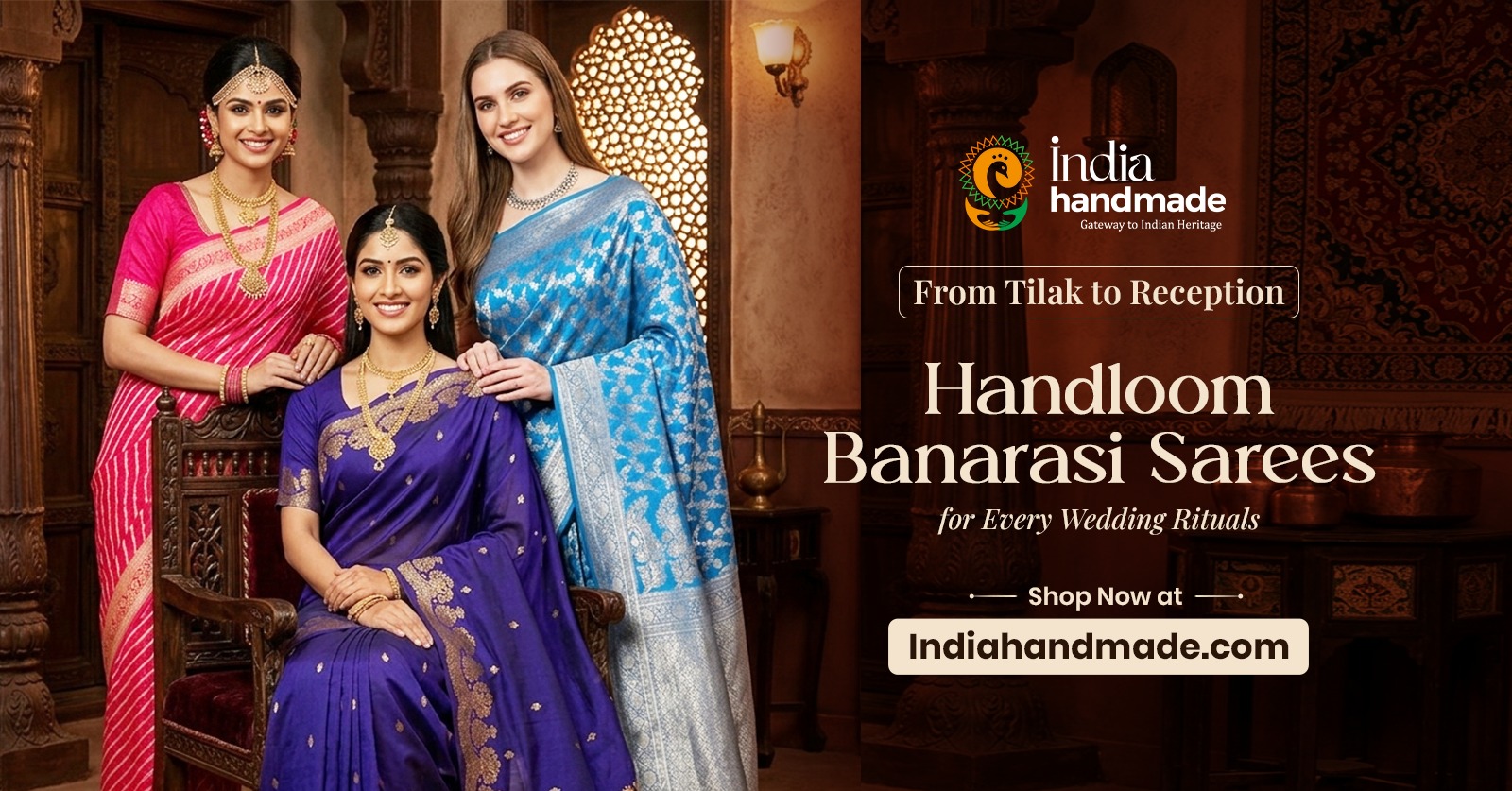
- Banarasi Silk Sarees: Known for their luxurious texture and intricate zari work, Banarasi sarees are a symbol of opulence.
- Pochampally Ikat: The unique geometric patterns of Pochampally sarees showcase the precision of double ikat weaving.
- Chanderi Weaves: Lightweight and airy, Chanderi fabrics are perfect for both festive occasions and casual wear.
- Khadi: Popularised by Mahatma Gandhi during the freedom struggle, Khadi embodies simplicity, sustainability, and the spirit of Swadeshi.
The Allure of Indian Handicrafts
Indian handicrafts are just as diverse and enchanting as its textiles. Each craft reflects the traditions and culture of its region:
- Terracotta Crafts: Originating from West Bengal, these earthenware pieces are both functional and decorative.
- Brassware: From Moradabad, known as the “Brass City of India,” comes exquisite brass decor items and utensils.
- Madhubani Paintings: A folk art from Bihar, these intricate paintings tell stories of mythology, nature, and festivals.
- Bidriware: This craft from Karnataka involves intricate silver inlay work on blackened metal, creating stunning artefacts.
These handloom and handicraft traditions are not mere industries; they are living legacies of India’s cultural identity.
Why Handloom and Handicrafts Products Deserve Our Love
In a world dominated by mass-produced goods, Indian handloom and handicrafts items stand out as a testament to authenticity and sustainability. Here’s why they deserve a place in our lives:
1. Uniqueness and Authenticity
When you buy a handwoven saree or a handcrafted vase, you own something truly one-of-a-kind. Each piece carries the signature of the artisan who made it, making it a personal and exclusive possession.
2. Eco-Friendly and Sustainable
Mass-produced goods often come at a cost to the environment. In contrast, handmade items are crafted using natural materials and traditional techniques that are kind to nature. Whether it’s organic dyes in textiles or locally sourced clay for pottery, these products align with sustainable living.
3. Empowering Artisans
The handloom and handicrafts industry is the second-largest employer in India after agriculture. By choosing Swadeshi products, you directly support the livelihoods of millions of artisans and their families, helping them sustain their age-old crafts.
4. Rich Cultural Heritage
Every handcrafted product tells a story. Whether it’s the motifs on a Kantha quilt or the patterns on a Gond painting, these items connect us to India’s rich cultural history.
5. Superior Quality and Durability
Handcrafted goods are made with precision, patience, and care, ensuring they last longer than their factory-made counterparts. They’re investments in quality.
6. Mindful Consumption
Handmade products encourage conscious buying. When you purchase something crafted by hand, you’re choosing sustainability, authenticity, and a connection to the maker’s story.
Challenges Faced by the Handloom and Handicrafts Industry
While the handloom and handicrafts sector represents India’s cultural wealth, it faces significant challenges:
- Declining Artisan Workforce: Many artisans are leaving their crafts due to low incomes and a lack of opportunities. Younger generations often prefer stable jobs over uncertain earnings from traditional skills.
- Lack of Modern Market Access: Many rural artisans struggle to connect with modern markets or e-commerce platforms, limiting their reach to urban and global audiences.
- Competition from Machine-Made Goods: Mass-produced items, which are cheaper and quicker to make, often overshadow handmade products in terms of affordability.
- Limited Government Support: While schemes exist, implementation is often patchy, and artisans don’t always receive the benefits they’re entitled to.
Government Initiatives Supporting Swadeshi Products
The Government of India has taken many initiatives to support local artisans and weavers by promoting swadeshi handloom and handicrafts products:
- National Handloom Day: National Handloom Day celebrated annually on August 7, this day raises awareness about handloom traditions and their importance.
- One District One Product (ODOP): A scheme aimed at promoting district-specific products, many of which include unique handloom and handicrafts.
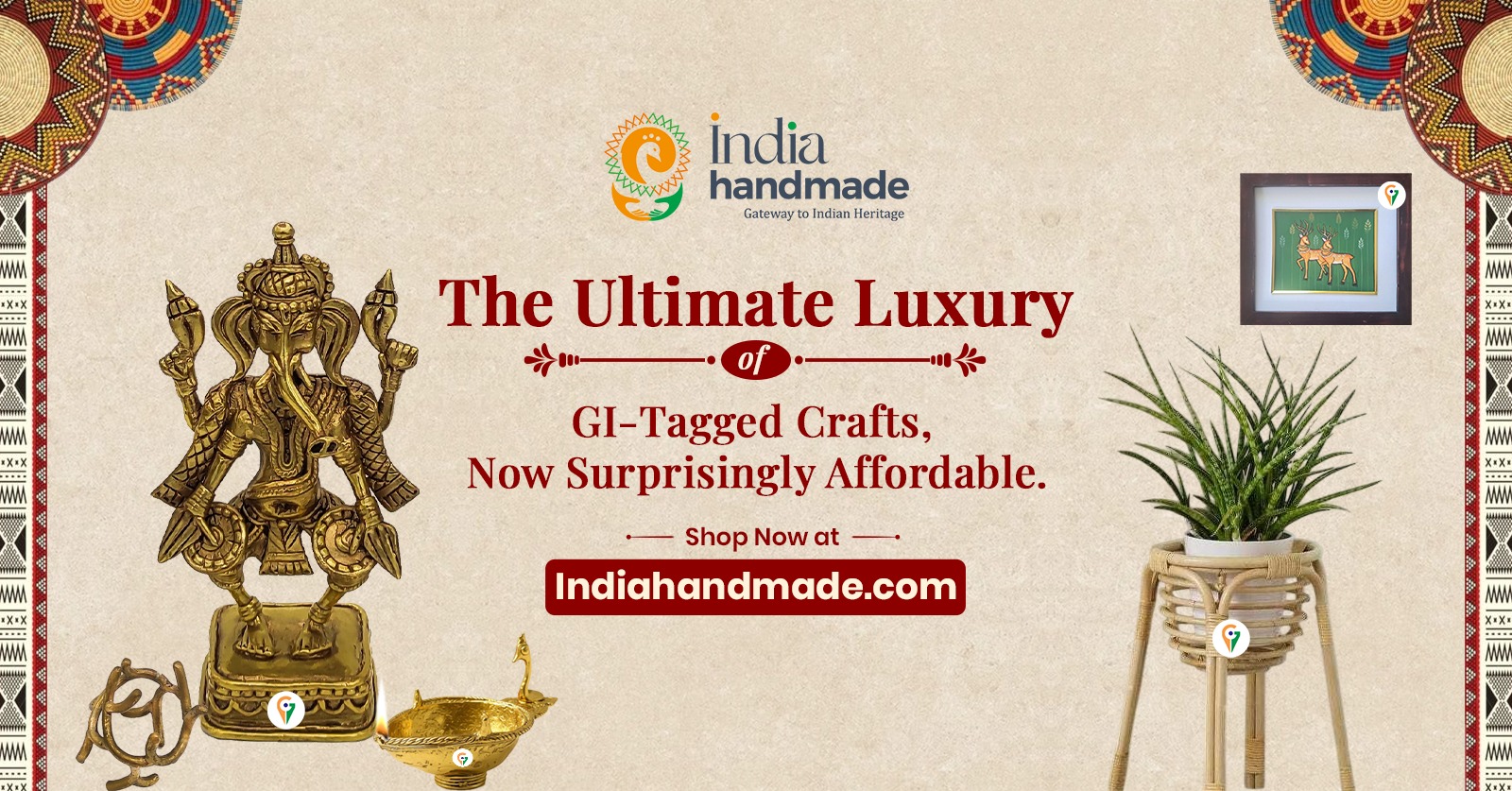
- Geographical Indication (GI) Tags: GI tags have been granted to several Indian crafts, such as Kanchipuram Silk and Pattachitra Paintings, ensuring authenticity and global recognition.
- Skill Development Programs: The government provides training to artisans to enhance their skills and adapt to modern market trends.
- E-commerce Partnerships: Initiatives like Indiahandmade (Ministry of Textiles) help artisans sell their products online.
Indiahandmade: Your Swadeshi Partner
If you’re wondering where to find authentic handloom and handicrafts items, look no further than Indiahandmade. This platform brings together a curated selection of products crafted by skilled artisans from across India.
From intricate handloom sarees to eco-friendly terracotta decor, Indiahandmade is a treasure trove of India’s finest craftsmanship. Shopping here is a way to honour the stories, skills, and traditions of India’s artisans.
Reviving the Swadeshi Movement in Modern Times
The Swadeshi movement, which was pivotal in India’s fight for independence, holds relevance even today. By choosing Swadeshi products, we can:
- Support Local Economies: Buying from artisans directly boosts rural livelihoods.
- Promote Sustainability: Handmade products are eco-friendly and encourage mindful consumption.
- Preserve Traditions: Every purchase helps keep India’s traditional crafts alive for future generations.
Looking Ahead: A Future Rooted in Tradition
As we celebrate Republic Day 2025, let’s pledge to make Swadeshi a way of life. Imagine a future where every home has a handwoven rug, a terracotta lamp, and a Khadi curtain. A future where our choices not only celebrate India’s heritage but also build a sustainable, self-reliant nation.
Let Patriotism Guide Our Choices
Republic Day is a reminder of our responsibilities as citizens. This year, let your patriotism shine through your choices. Embrace the Swadeshi spirit, support Indian handloom and handicrafts products, and make a meaningful impact on the lives of India’s artisans.
As the tricolour unfurls this January 26, let’s remember that true patriotism lies not just in words but in actions. So, shop Swadeshi, celebrate responsibly, and honour the hands that build India’s legacy. Jai Hind!
![8 Must-Have Summer Dresses for Your 2026 Capsule Wardrobe [Expert Picks]](https://img.indiahandmade.com/magefan_blog/IMG-20260518-WA0007.jpg)